Museum of Nebraska Art (MONA)
Museum of Nebraska Art (MONA)
Morrissey Engineering provided design services for the comprehensive restoration, renovation, and expansion of this museum, featuring art that celebrates Nebraska and its history. This reimagined MONA is located in Kearney, Nebraska.
Services





Feature
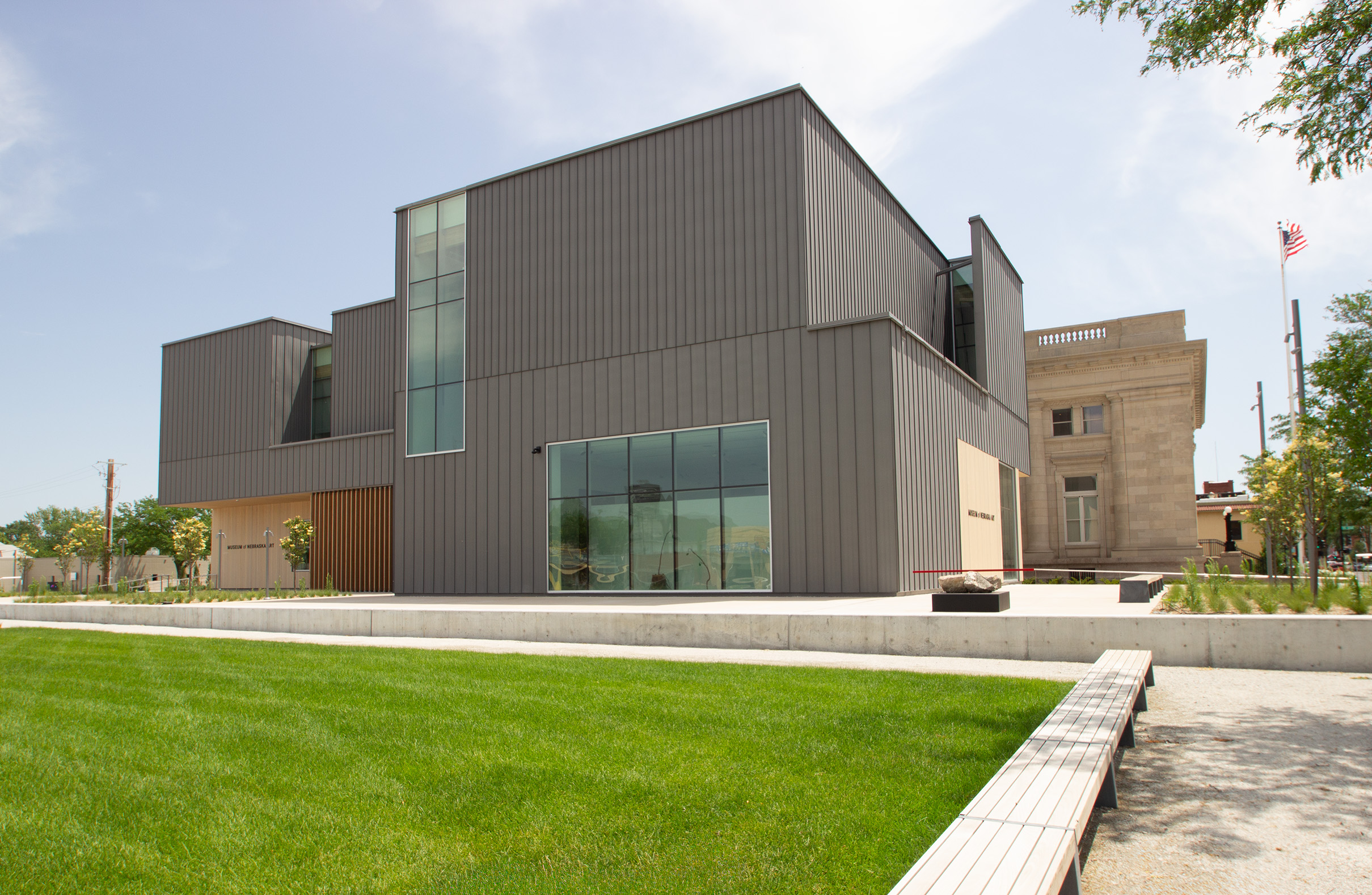
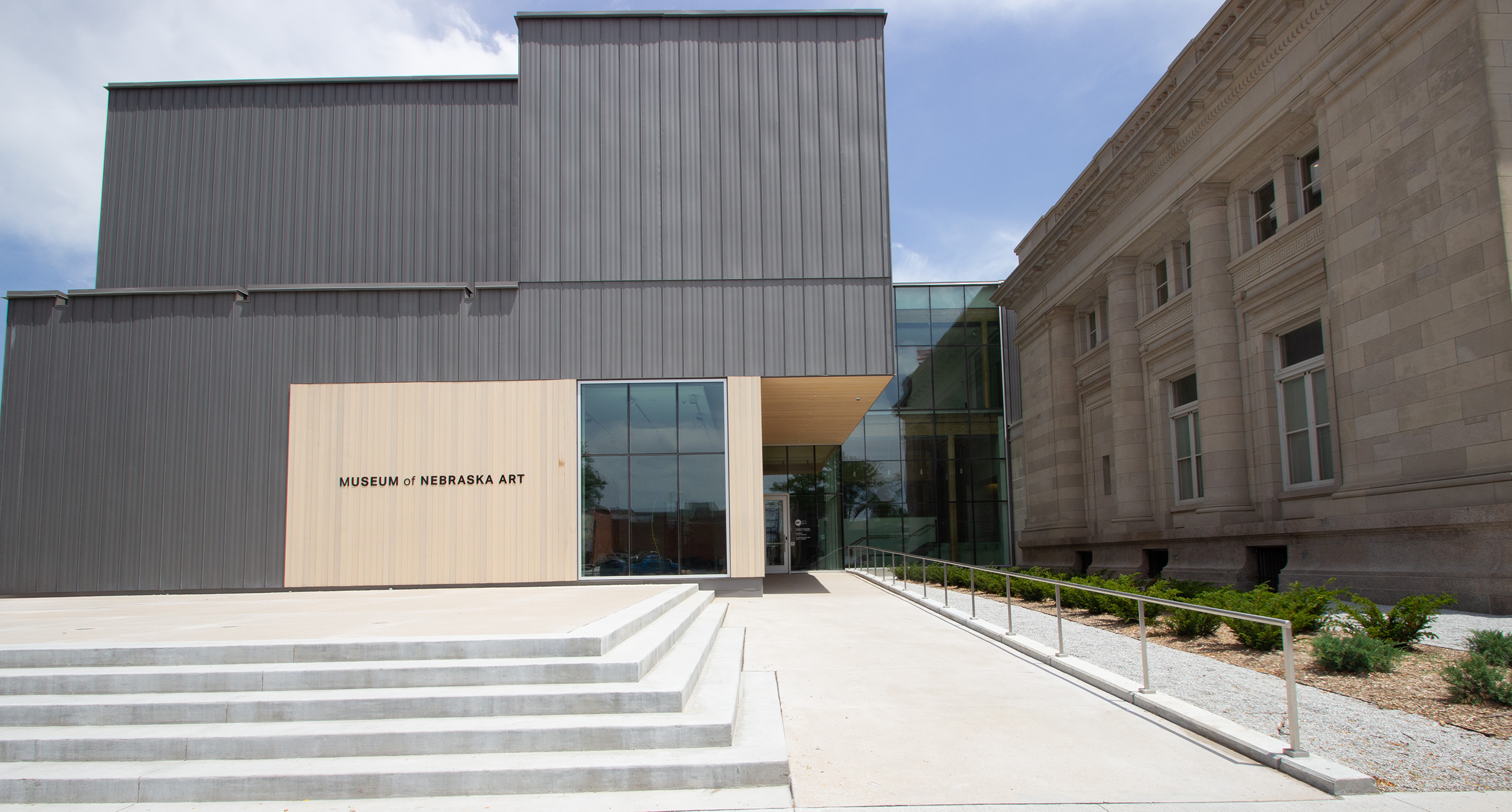
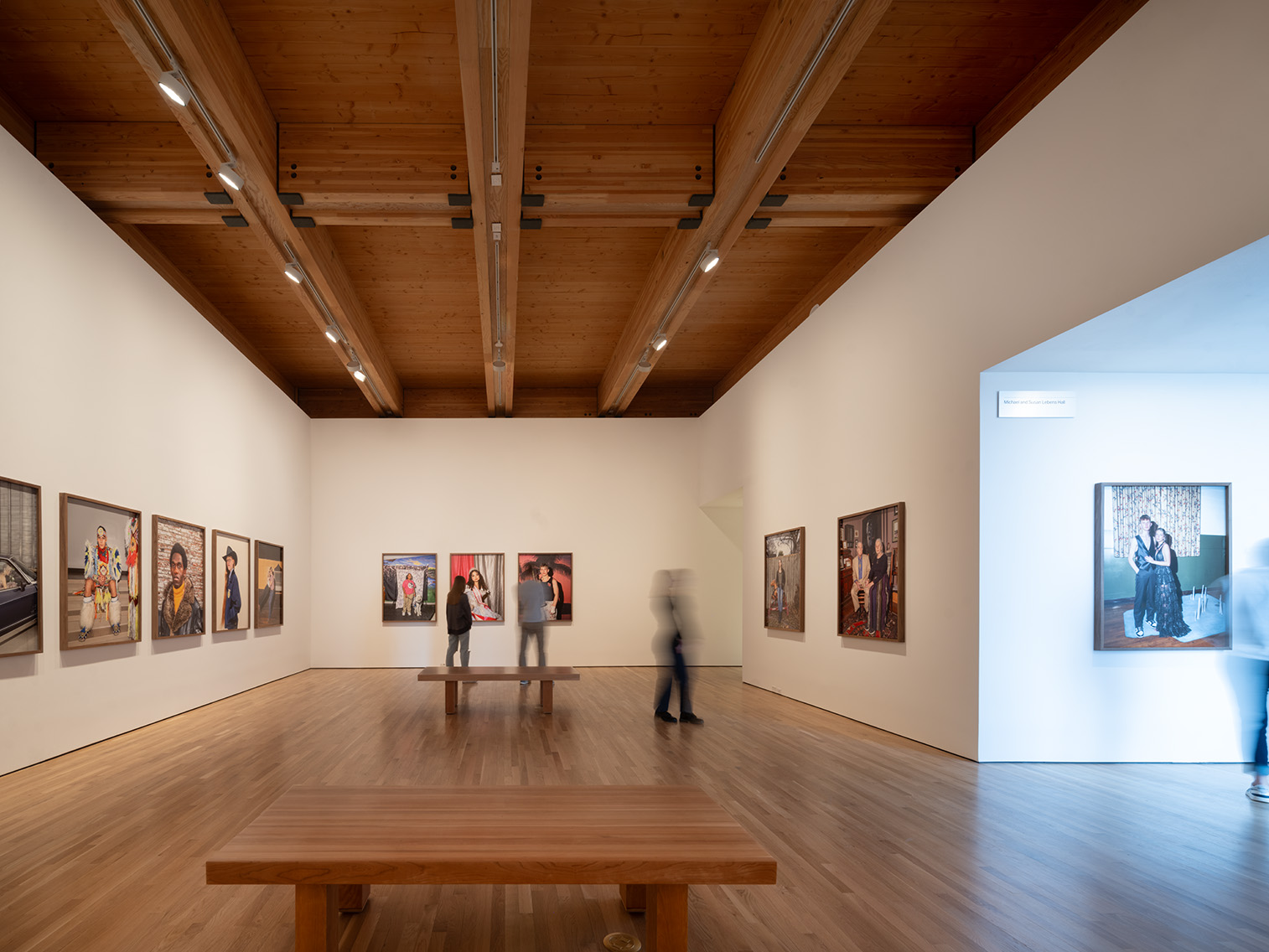
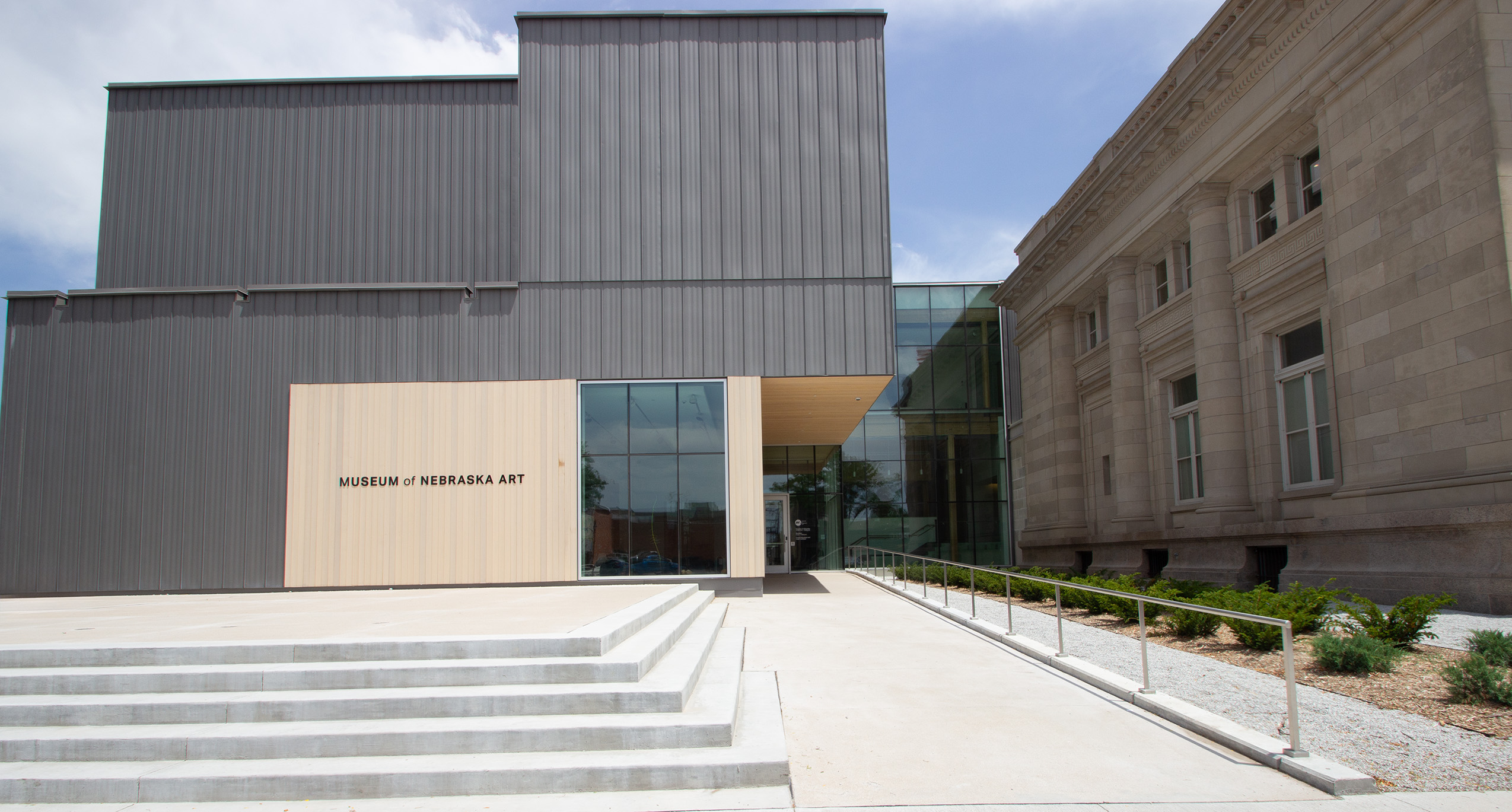
The reimagined Museum of Nebraska Art (MoNA) represents a transformative moment for Nebraska's cultural community. Originally opened in 1986 within a repurposed 1911 U.S. Post Office, MoNA has long served as the state's only museum dedicated solely to celebrating art created by Nebraskans or about Nebraska. After decades of growth, however, the historic building and its 1993 addition could no longer support the museum's vision of becoming a nationally recognized institution.
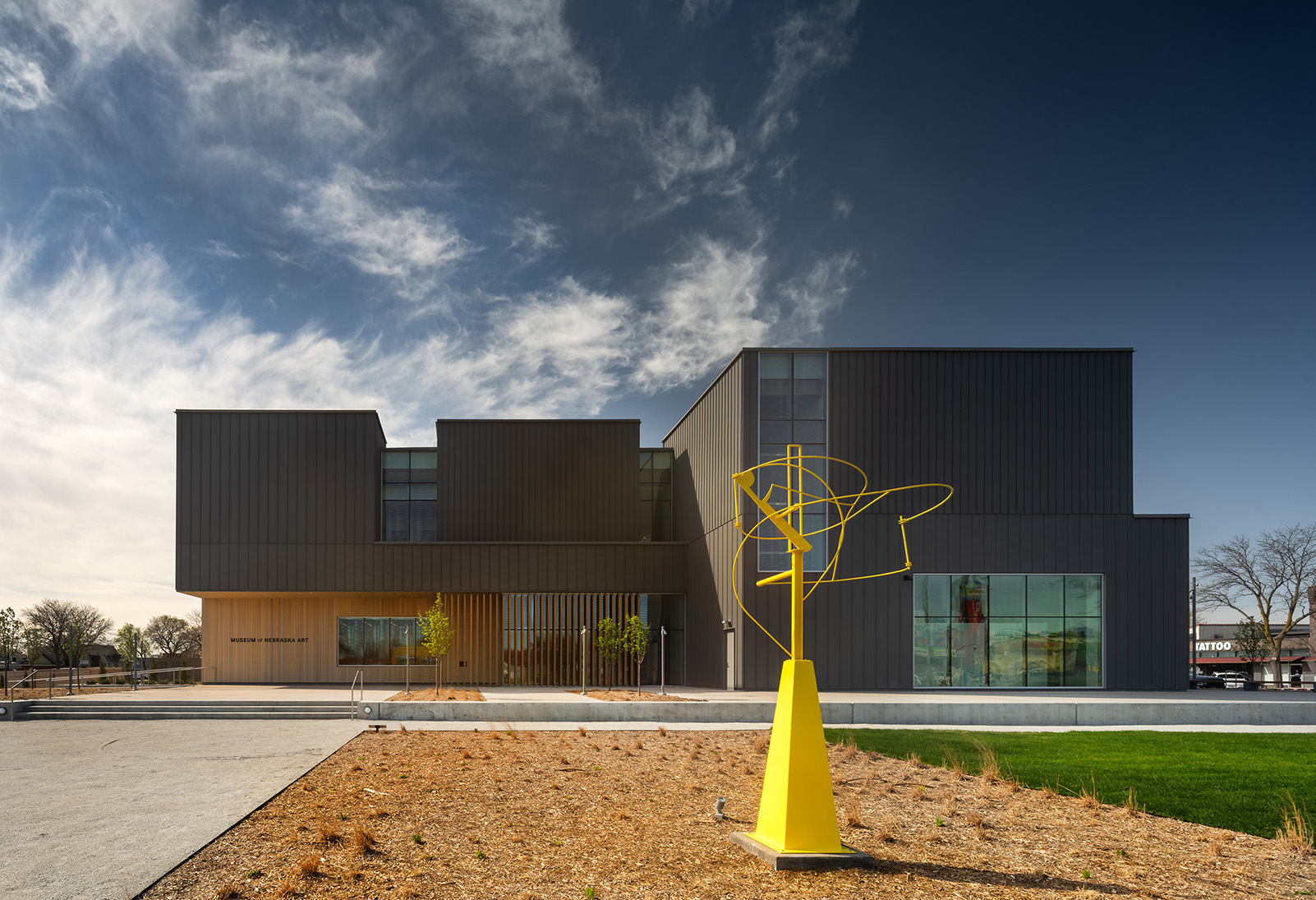
A successful $38.5 million capital campaign made possible a complete restoration of the 1911 structure, renovation of the 1993 addition, and a striking 23,000-square-foot mass timber expansion. The result is a 56,500-square-foot destination that merges history, technology, and sustainable design into a seamless cultural landmark.
Engineering Innovation for Art and Architecture
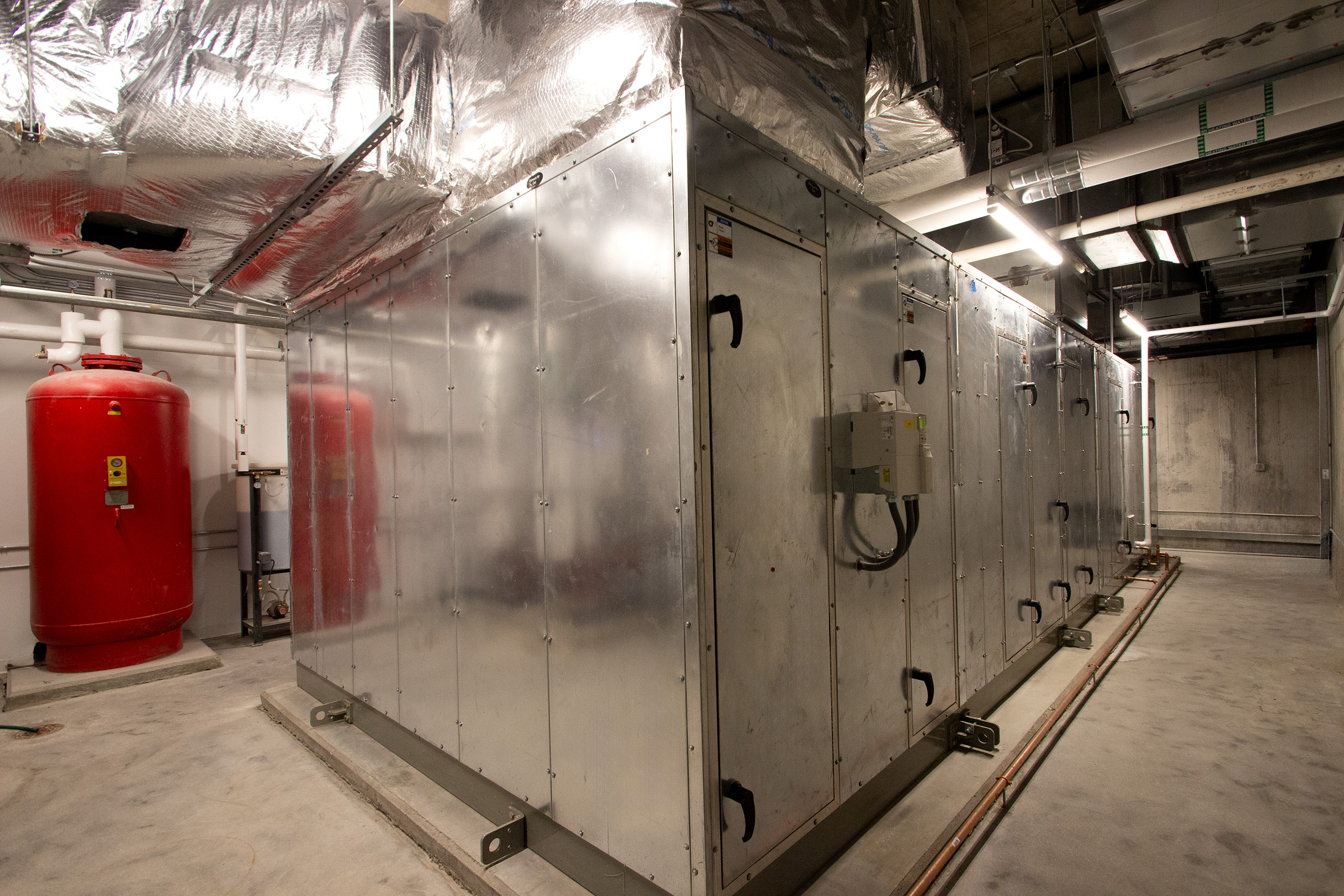
Designing a museum requires exacting environmental control—temperature, humidity, lighting, and air quality all play critical roles in protecting priceless collections. For MoNA, the engineering challenge was balancing these demands with equally ambitious sustainability goals.
- Energy Modeling & Efficiency – Historical energy use data showed the existing facility averaging a 90 EUI (energy use intensity), significantly higher than the national museum average of 60. The design team set an aggressive target of 47 EUI for the new addition. The installation of a geothermal well field, high-performance air handling units, advanced humidification systems, and electrification strategies that minimize fossil fuel use allowed the facility to achieve system efficiency.
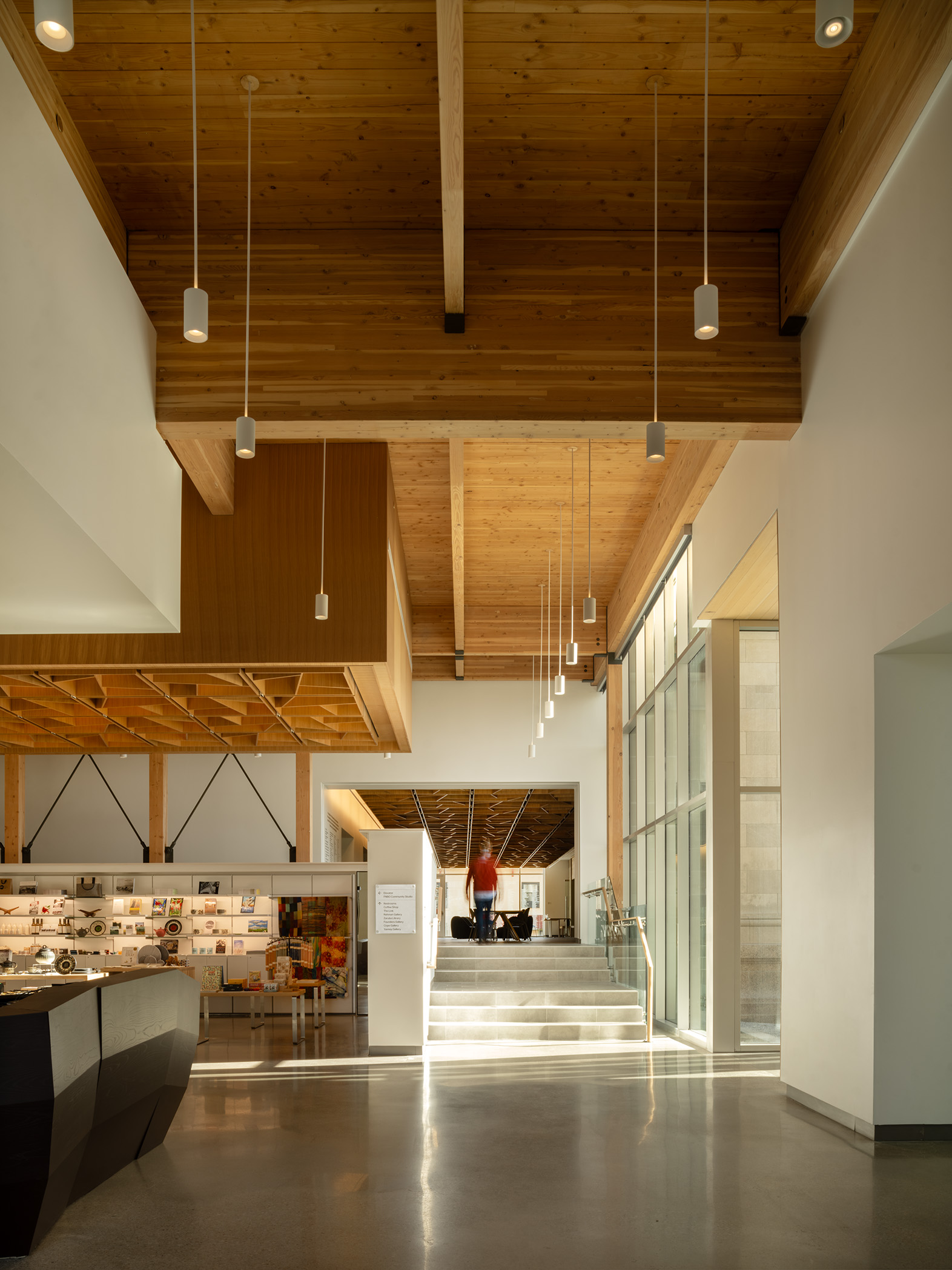
- Seamless System Integration – From custom HVAC diffusers and hidden thermostats to mud-in exit signs, recessed outlets, and discreet security cameras, mechanical and electrical systems were carefully concealed. The result: building systems that blend seamlessly into the architecture, allowing the art and architecture to remain the focal point.
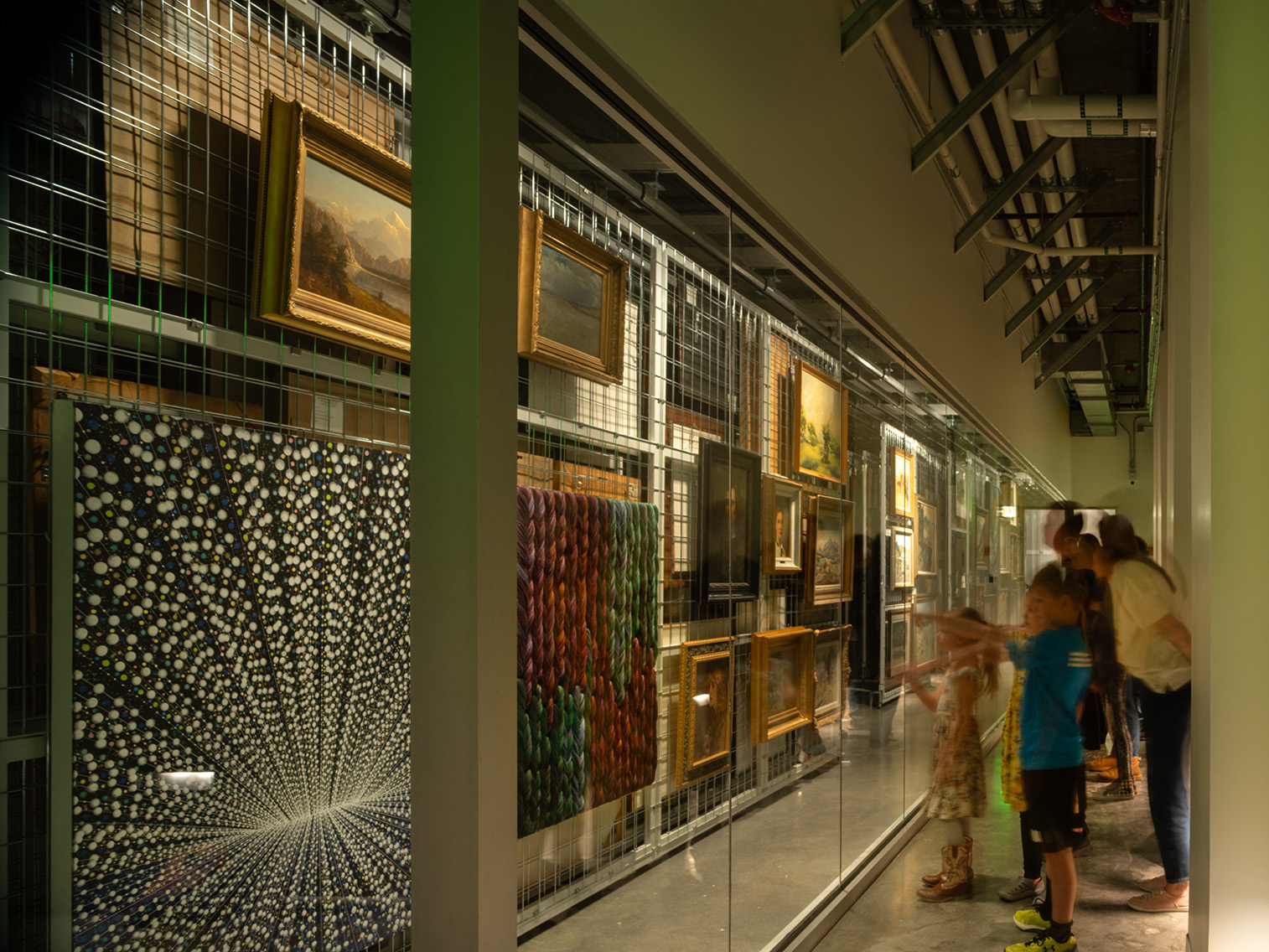
- Lighting & Conservation – A sophisticated lighting control system monitors light exposure on art, while UV-filtered and anti-reflective glass ensures both preservation and visitor engagement. Visible art storage in the basement offers an educational glimpse behind the scenes, making preservation an integral part of the visitor experience.
A Complex Blend of Old and New
Few projects demand the simultaneous integration of historic preservation, non-eco-friendly renovation, and a modern mass timber addition. Each presented unique challenges:
- The 1911 historic structure required restoration without the use of invasive humidity control systems that could damage the building.
- The 1993 addition was re-engineered for higher efficiency.
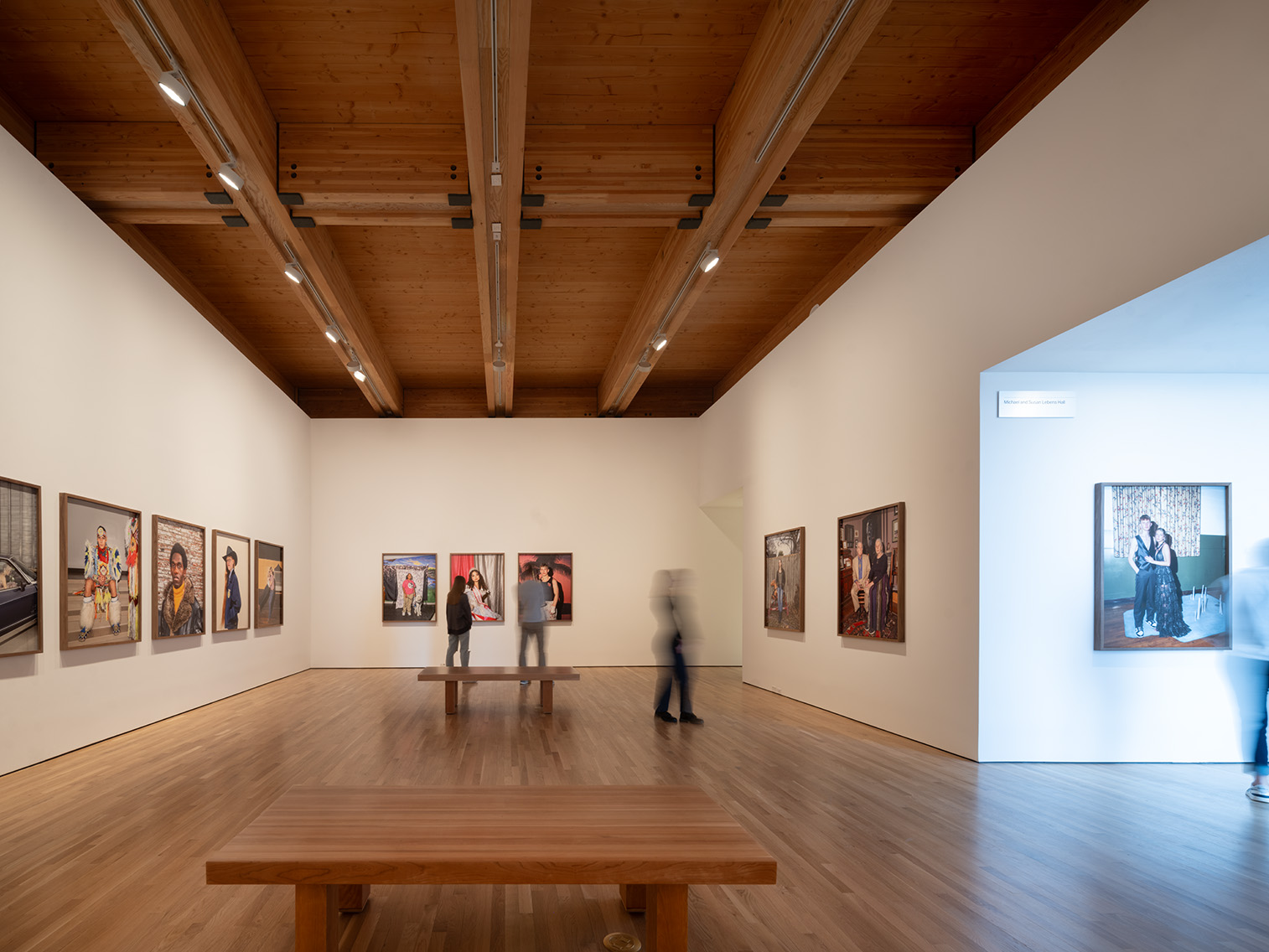
- The new mass timber expansion required precision collaboration to conceal MEP and fire protection systems within exposed structural elements.
Through creative problem-solving—including doubling glulam beams to conceal lighting and piping—engineers delivered an elegant solution that maintains the purity of the architectural design.
Community and Cultural Impact
Beyond technical achievement, the project fulfills MoNA's broader mission of accessibility, inclusivity, and community connection:
- Approachability & Accessibility – A redesigned entry sequence replaces the imposing historic stairs with a welcoming, accessible entrance. As lead architect Mark Bacon noted, “True accessibility is about dignity. It's about ensuring that everyone—regardless of ability, age, or familiarity with the arts—feels that they belong.”
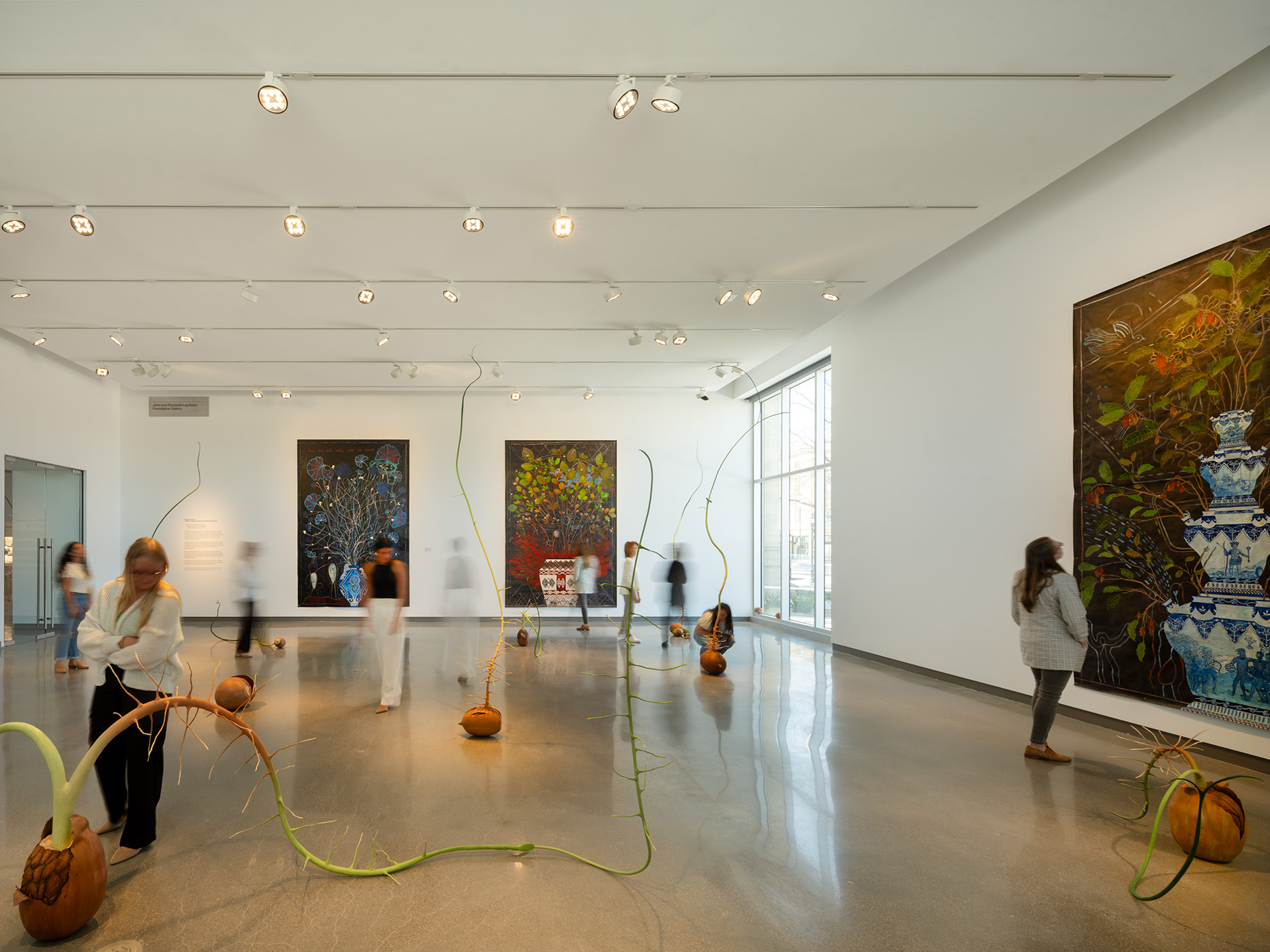
- Expanded Public Space – New galleries, community studios, interactive learning spaces, and a sculpture garden make art more engaging and approachable.
- Sustainability for Generations – The combination of mass timber construction, geothermal systems, daylight harvesting, and efficient HVAC ensures a resilient and environmentally responsible future.
A Legacy for Nebraska and Beyond
Reopened to the public on May 3, 2025, the revitalized MoNA now stands as both a cultural and engineering landmark. It is a museum where art, architecture, and engineering are seamlessly intertwined—a space where visitors can engage with Nebraska's artistic legacy in a welcoming, sustainable, and future-oriented setting.
Project
Expansion/Restoration
Location
Kearney, Nebraska
Square Footage
23,000 SF Expansion
28,000 SF Restoration
Completion Date
2024
Architect
BVH Architecture